We have not found any cost information for this lawyer
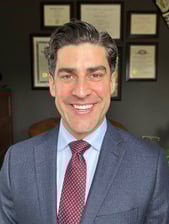
Cody Elijah Harnish
About Cody
Biography
Cody represents and defends U.S. military service members. He spent 4 years as an Army Defense Attorney and became one of the most successful Trial Defense attorneys in the Army, fighting for his clients at courts-martial, administrative separation boards, and “show cause” boards of inquiry. Now as a civilian, he represents service members in all UCMJ matters, from responding to a letter of reprimand to courts-martial, and everything in between.
Practice Areas
1
Practice Area
Military Law
100%
9 years
Fees and Rates
Looking for an attorney? Avvo can help.

Search our directory
Quickly connect with top attorneys through our legal directory to get help with your legal issue.

Avvo's live chat agents can help coordinate a consultation with a local attorney.
Chat with a live agent who can match you with the right attorney for your legal needs.
Chat withLicenses
Licensed in Washington for 4 years
State: Washington
Acquired: 2022
No misconduct found
Licensed in Kansas for 9 years
State: Kansas
Acquired: 2017
No misconduct found
Location
Law Office of Cody Harnish, PLLC
3801 N 27th Street, Unit 7678, Tacoma, WA, 98407
Ad
Transform legal challenges into solutions.
Connect now to review your situation.

Cody Elijah Harnish's Reviews
Avvo Review Score
10 Client Reviews
Filter Avvo Reviews (10)
Refine reviews to match your needs. Use the filters to quickly surface reviews that align with your case or priorities.
Practice Areas
Showing 1 - 1 of 1 review | Litigation
Posted by Evan | October 09, 2021 | Hired Attorney
No one, even those on my side and myself, believed I had a chance. Cody Harnish gave me reassurance and hope.
My Command was seeking to separate me from military service for being dropped from a key development course after being rendered unable to continue due to a behavioral health crisis. The odds had felt stacked against me for several months. I had several years of very positive performance evaluations,...
Cody Elijah Harnish's Lawyer Endorsements

"I have had the opportunity to work with Cody on behalf of several mutual clients. He is always prepared and incredibly passionate about helping service members, Extremely committed and dedicated. Without hesitation, I endorse this lawyer."

"I endorse this lawyer Without hesitation. Cody is an exceptionally talented and hard-working counsel and we are lucky to have added into the team!"
Sean Mangan
Military law lawyer
Experience
Education
2013
American University, Washington College of Law
JD - Juris Doctor
2006
University of California - Los Angeles
BA - Bachelor of Arts
Languages
English